
We sat down with Mat Johnson of Second Life to talk about the band’s origins, the urgency behind their sound, and the community that carried them from their first show to their final one. In a city where music has long doubled as refuge and resistance, Second Life became more than a band , they became a point of connection, a catalyst, and a reflection of what hardcore can mean when it’s rooted in care for the people around it.
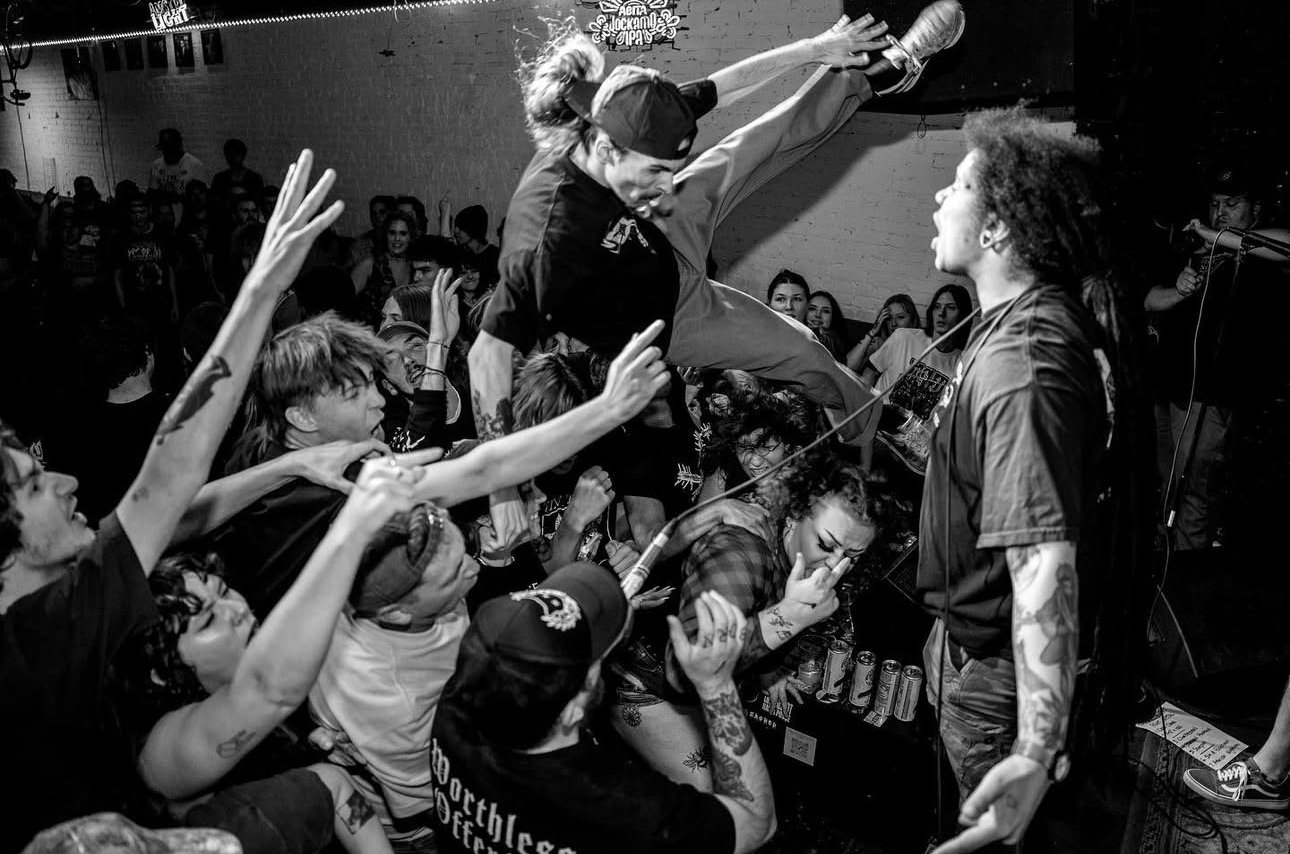
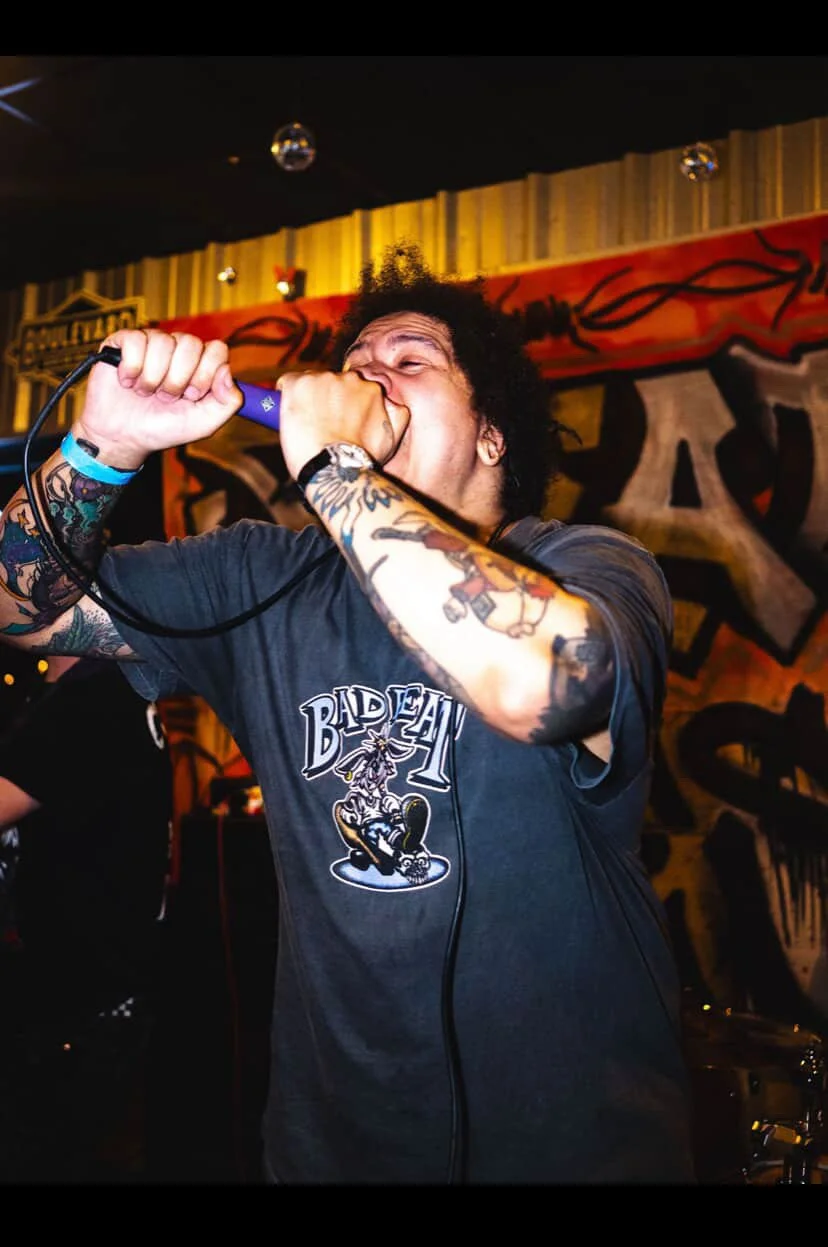
Final Eviction: The Last Second Life Show
〰️
Final Eviction: The Last Second Life Show 〰️
The most impactful pieces of art are formed in the face of adversity. They often become the irresistible force, colliding with what is believed to be an immovable object. Think back to 2020: we were living in a world paved with uncertainty, yet through the cracks in the emblematic concrete, countless cultural movements began to blossom. Isolation, anger, uncertainty, and months of indoor malaise created the perfect conditions for the creation of a band unapologetic in its opposition to the forces driving injustice. Within the turmoil of that year, Second Life emerged, a new project pushing through the rubble with purpose and conviction.

With bludgeoning riffs and lyrics that refuse to pull punches, Second Life emerged from COVID quarantine carrying the same tension and anger so many of us felt in 2020, channeling them into a unit that would set the bar for what a newer hardcore band would strive to be in Arkansas. By nearly every objective measure - from ticket sales to the sheer number of new bands forming - Little Rock was experiencing a Renaissance-like moment for hardcore, punk, and metal. Second Life stood among the torchbearers of this lightning-in-a-bottle era.

Pandemic lockdowns pushed a younger generation toward the internet, exposing them to hardcore, primarily through platforms like TikTok and YouTube. When live music was greenlit again, that digital familiarity became something physical and communal for many, often for the first time. Locally, many cited iconic videographer Sunny Singh, aka Hate5Six, whose coverage of the “first hardcore show back in Little Rock”—Second Life’s debut performance—served as a defining jumping-off point. As a result, Little Rock experienced monumental growth in heavy music, with Second Life instrumental in making the hardcore scene accessible, welcoming, and urgent.
Hardcore, from its inception through its evolution, has always been more than a genre of music. It emerged as a countercultural response to dominant societal norms. During the paradigm shift of the early 1980s, bands like Black Flag, Bad Brains, Minor Threat, TSOL, and Dead Kennedys served as a collective middle finger to the Reagan administration, which ushered in a widening wealth gap, Cold War paranoia, the Iran-Contra scandal, the War on Drugs, and the erosion of the middle class; a reality disturbingly familiar in America today.
As time went on, hardcore evolved sonically in the 1990s, with bands like Dystopia, Infest, Sick of It All, Earth Crisis, Born Against, His Hero Is Gone, Trial, and Hatebreed adding heavier influences to the genre, while expanding on hardcore’s political and ethical foundations. Because many of the systemic issues of the 1980s persisted, it was not uncommon for VFW hardcore shows of the '90s to include speakers between bands, tables stocked with animal rights literature, or outreach from groups like Food Not Bombs, keeping activism firmly linked to the music.
Later, hardcore’s outspoken attitude became less common, but some bands still kept its original spirit alive. Now, in 2025, we face many of the same problems—only worse: mass incarceration, loss of LGBTQIA+ rights, increased police force, U.S. support for harms abroad, book bans, reduced reproductive rights, anger at DEI efforts, fast climate change, and a wealth gap so wide most can’t buy homes. As these issues grow, there’s perhaps never been a more needed time for hardcore—or a better place for a band like Second Life than Little Rock.
Against this backdrop, this week marks the culmination of Second Life’s run as one of Little Rock’s most vital hardcore voices. On Saturday, December 27, 2025, the band will play their final show alongside Dryer Fire, Zashed, Vulgarity, Terminal Nation, Death Rattle, and Morbid Visionz. The night will also serve as the last show at the Eyes Up House, a longtime cornerstone of the Little Rock music scene that’s hosted countless shows. Ahead of this closing performance, I spoke with vocalist Mat Johnson about the band’s formation, the confrontational nature of their music, and their deep-seated community roots:
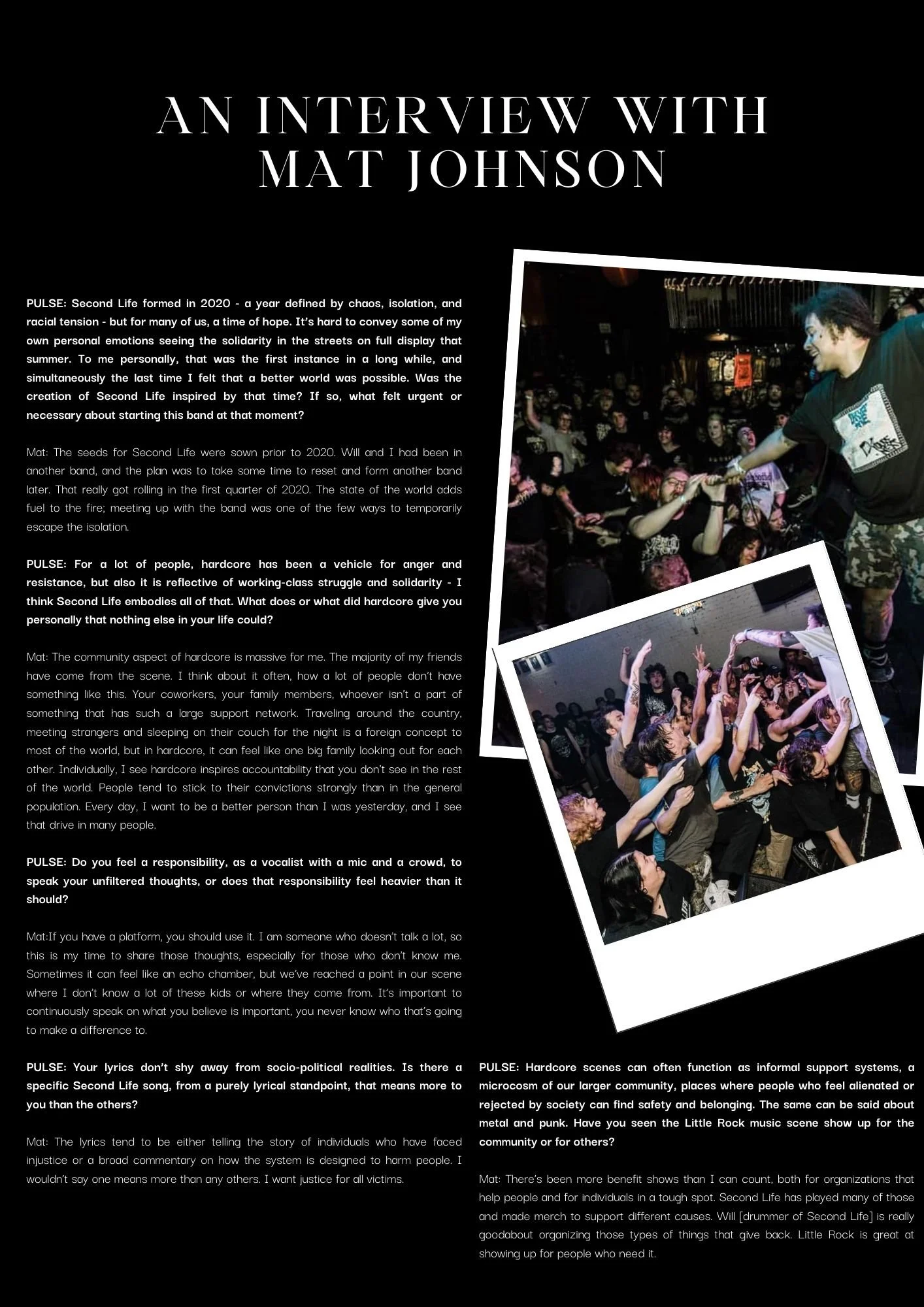

While Second Life may be hanging it up, its influence is already woven into the DNA of newer hardcore bands in Little Rock, including several sharing the stage this weekend. Through bands like Death Rattle and Penalty, the Second Life legacy continues forward. This Saturday isn’t just the final show of a band, or even the end of an era. It serves as a reminder of how scenes become lifelines, and how music can still function as resistance in a city that has learned, time and time again, how to take care of its own.
Finger on the PULSE documents the people, culture, and music that keep communities alive - amplifying stories of collective care, resistance, and survival in spaces where culture and safety intersect - platforming movements where art, mutual aid, and perseverance meet in real life, not just in theory.
